
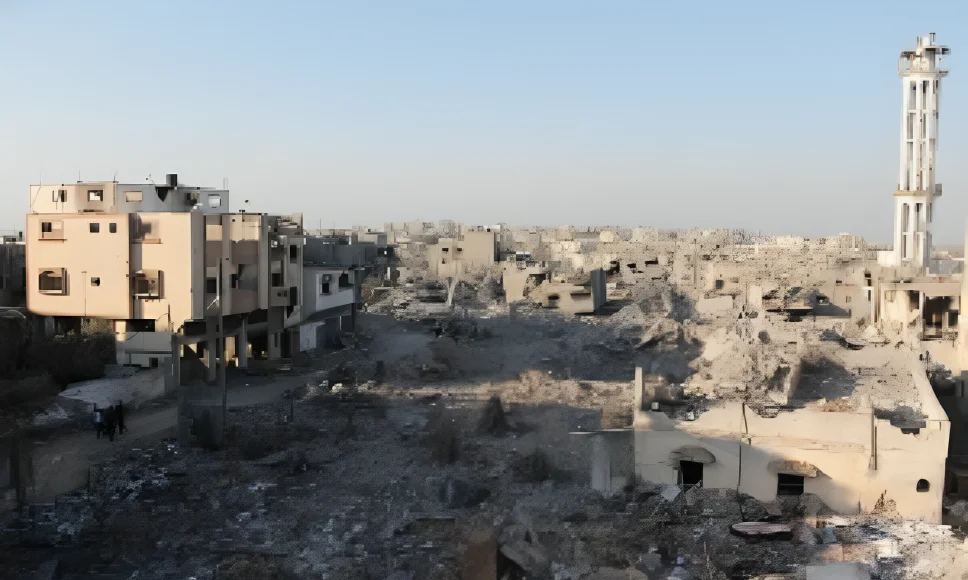
The ongoing conflict in Gaza has plunged the region into a dire humanitarian crisis, with recent escalations leading to devastating consequences for the civilian population. As the conflict continues, the scale of destruction and the urgent needs of displaced families have become increasingly apparent.
Casualties and Destruction
Since the onset of the latest escalation, thousands of lives have been lost. According to reports from health authorities in Gaza, over 10,000 people have been killed, including a significant number of women and children. The relentless bombardment has also resulted in extensive injuries, with more than 30,000 individuals reported wounded. Hospitals, already strained by previous conflicts and limited resources, are struggling to cope with the influx of patients. Many facilities have been damaged or destroyed, further hampering the ability to provide medical care.
The destruction extends beyond hospitals. Entire neighbourhoods have been levelled, leaving tens of thousands of people homeless. The United Nations estimates that approximately 1.5 million individuals have been displaced, and forced to flee their homes in search of safety. Makeshift shelters and overcrowded schools have become temporary homes for these families, but conditions are dire. Many lack access to basic services, including clean water, sanitation, and electricity.
Immediate Needs of Displaced Families
The needs of displaced families in Gaza are urgent and multifaceted. Access to food has become a critical issue, as supply chains have been disrupted and agricultural production severely affected. Many families are relying on humanitarian aid for their survival, with the World Food Programme warning that over 60% of the population faces food insecurity. The shortage of essential supplies, including food, water, and medical assistance, has exacerbated the crisis.
Psychological support is also urgently needed. The trauma of witnessing violence, losing loved ones, and the uncertainty of the future weighs heavily on those who have been displaced. Mental health resources are limited, with few organizations able to provide adequate support in the face of overwhelming demand.
As winter approaches, the situation is likely to worsen. Displaced families face the challenges of inadequate shelter and exposure to harsh weather conditions. Many are in desperate need of blankets, warm clothing, and heating supplies. The threat of disease outbreaks is also heightened in overcrowded living conditions where sanitation facilities are lacking.
International Response and Humanitarian Aid
The international community has responded to the crisis with calls for increased humanitarian assistance. Various organizations, including the United Nations and numerous NGOs, are mobilizing efforts to provide aid. However, the delivery of aid is hampered by ongoing violence and access restrictions. Many aid workers are unable to reach those in need due to the dangerous conditions on the ground.
The international community must prioritize the protection of civilians and ensure the establishment of humanitarian corridors to alleviate the suffering of those affected. Sustained and unimpeded access to aid is essential to address the immediate needs of displaced families and help them begin the process of recovery.
Conclusion
The immediate humanitarian crisis in Gaza following the recent escalation of conflict is characterized by a tragic loss of life, widespread destruction, and a critical need for assistance among displaced families. As the situation continues to evolve, the focus must remain on delivering aid, protecting civilians, and working towards a long-term resolution to prevent further suffering. The resilience of the Palestinian people is evident, but without urgent international support, the humanitarian crisis will only deepen.