
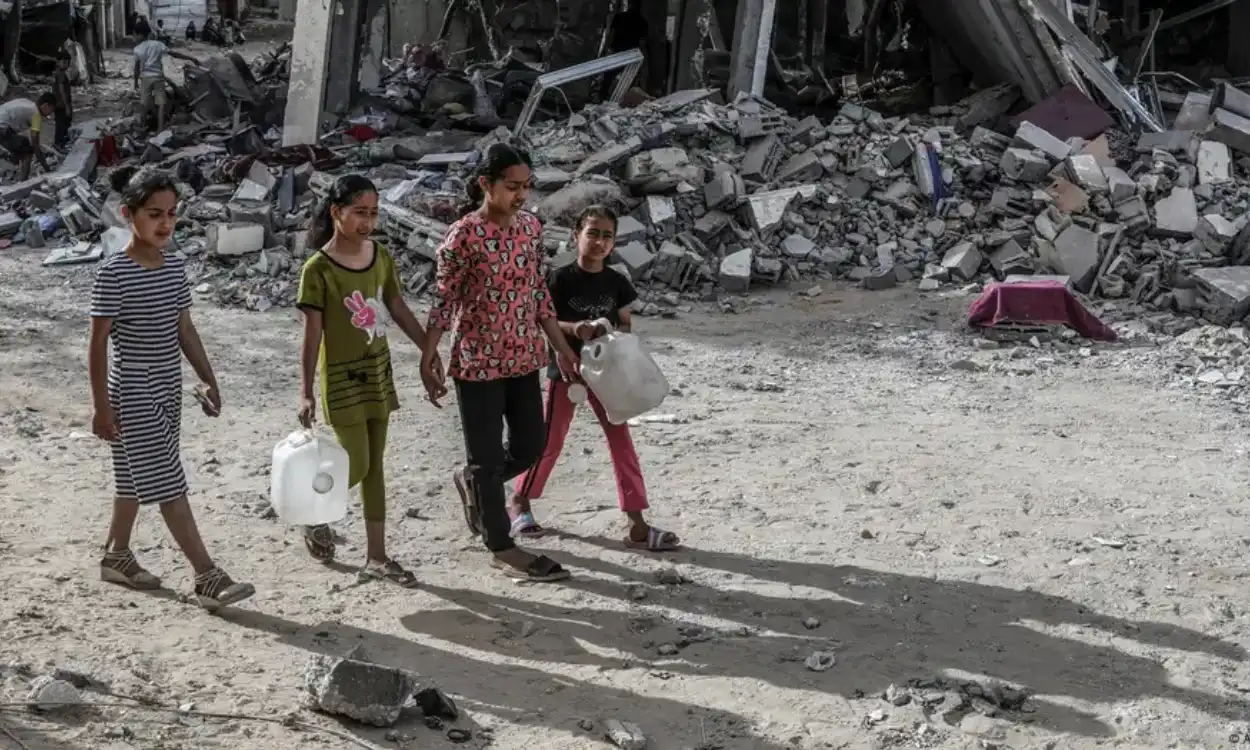
In Gaza, the toll of ongoing airstrikes on essential infrastructure, particularly in the education sector, is growing dire. Schools, universities, and educational facilities have been severely damaged, disrupting the future of countless students. The continuous targeting of these institutions has left Gaza’s education system in a state of crisis, impacting teachers, students, and academic support staff alike.
How Israeli Airstrikes Are Targeting Gaza’s Schools
Since the escalation of the Israel-Gaza conflict, Israeli airstrikes have severely affected hundreds of schools, both public and private. Numerous educational buildings have been partially or completely destroyed, making it increasingly difficult for students to attend classes or for educators to deliver lessons. These attacks hinder educational continuity, affecting children’s physical and mental well-being.
Universities in Ruins: The Loss of Higher Education Opportunities
Higher education facilities have also suffered extensive damage. Universities, which are central to Gaza’s academic and cultural advancement, are facing critical setbacks due to the destruction of buildings, classrooms, libraries, and laboratories. The loss of these institutions erodes the region’s intellectual capital and limits opportunities for youth who are seeking a better future through education.
Psychological Impact on Students and Educators
The ongoing conflict has inflicted a severe psychological toll on students and educators. The constant fear of attacks, combined with the destruction of educational facilities, leaves students with little sense of security or normalcy. Educators are facing burnout as they strive to support traumatized students while managing their personal struggles amidst the war. These circumstances hinder the potential for a stable learning environment.
The Long-term Consequences of Destroyed Educational Infrastructure
The damage to Gaza’s educational facilities has long-lasting consequences. With diminished access to education, the youth face limited career prospects, contributing to a cycle of poverty and frustration. The impact of this crisis could reverberate for generations, stunting the region’s intellectual growth and economic resilience.
Calls for International Intervention and Humanitarian Support
As Gaza’s education system teeters on the edge of collapse, there is a growing need for international support. Aid organizations and human rights advocates are urging global powers to ensure the protection of educational institutions and offer humanitarian assistance. International bodies are being called upon to prioritize the education sector as a vital component of Gaza’s rebuilding efforts.
A Bleak Outlook for Gaza’s Future
The ongoing destruction of Gaza’s schools and universities represents a broader threat to the future of Palestinian youth. Without a secure educational foundation, prospects for social and economic stability remain grim. As long as the conflict persists, the education sector in Gaza will struggle to provide the basic foundation necessary for the development of the region’s youth and their communities.
Conclusion
The targeted destruction of Gaza’s educational infrastructure is having a devastating effect on students and educators. Without international intervention and support, the education sector may face irreversible damage, jeopardizing future generations. This humanitarian crisis underscores the need for a peaceful resolution to the conflict, allowing Gaza’s youth the opportunity to thrive and rebuild.