
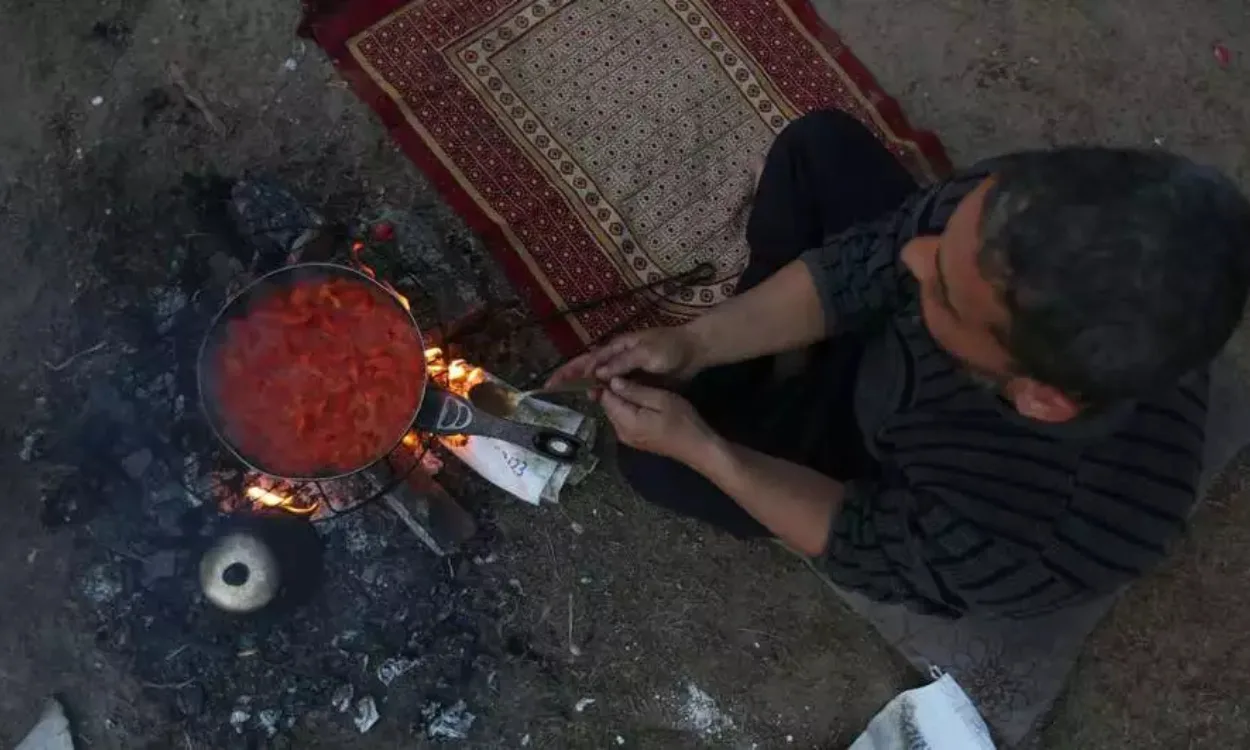
The Israel-Hamas war has had a profound impact on food security and agriculture in Gaza, exacerbating existing vulnerabilities and creating new challenges.
Disruptions in Farming
Farming in Gaza has faced significant disruptions due to the conflict. Access to farmland has been severely restricted, particularly in areas near the borders. Frequent military operations and airstrikes have damaged crops and agricultural infrastructure, including irrigation systems, greenhouses, and storage facilities. This destruction not only reduces current agricultural output but also impacts future planting seasons. Additionally, farmers have been unable to cultivate their land due to security concerns and restrictions on movement.
Supply Chain Challenges
The war has disrupted supply chains, affecting both the import of agricultural inputs and the export of produce. Restrictions on movement have led to shortages of essential supplies such as seeds, fertilizers, and equipment. The destruction of roads and transportation infrastructure has hindered the distribution of food and agricultural products within Gaza. This disruption has also affected trade with the West Bank and other regions, limiting access to markets and increasing prices.
Food Access Issues
Food access has become increasingly difficult for many families in Gaza. The combination of disrupted agricultural production and supply chains has led to higher food prices, making it challenging for vulnerable populations to afford basic necessities. According to reports, many households are facing food insecurity, with a significant proportion of the population relying on humanitarian aid. The blockade and ongoing conflict have further restricted access to international aid, exacerbating the humanitarian crisis.
Health and Nutrition Implications
The impact of food insecurity on health and nutrition in Gaza cannot be overstated. With limited access to a diverse range of foods, malnutrition rates, particularly among children, are expected to rise. The conflict’s toll on mental health and the stress of displacement also affect the population’s overall well-being.
Ongoing conflict has critically undermined food security and agriculture in Gaza, leading to devastating economic and humanitarian consequences. Addressing these challenges will require sustained international attention and support to restore agricultural capabilities, ensure access to food, and protect the rights of affected populations.