
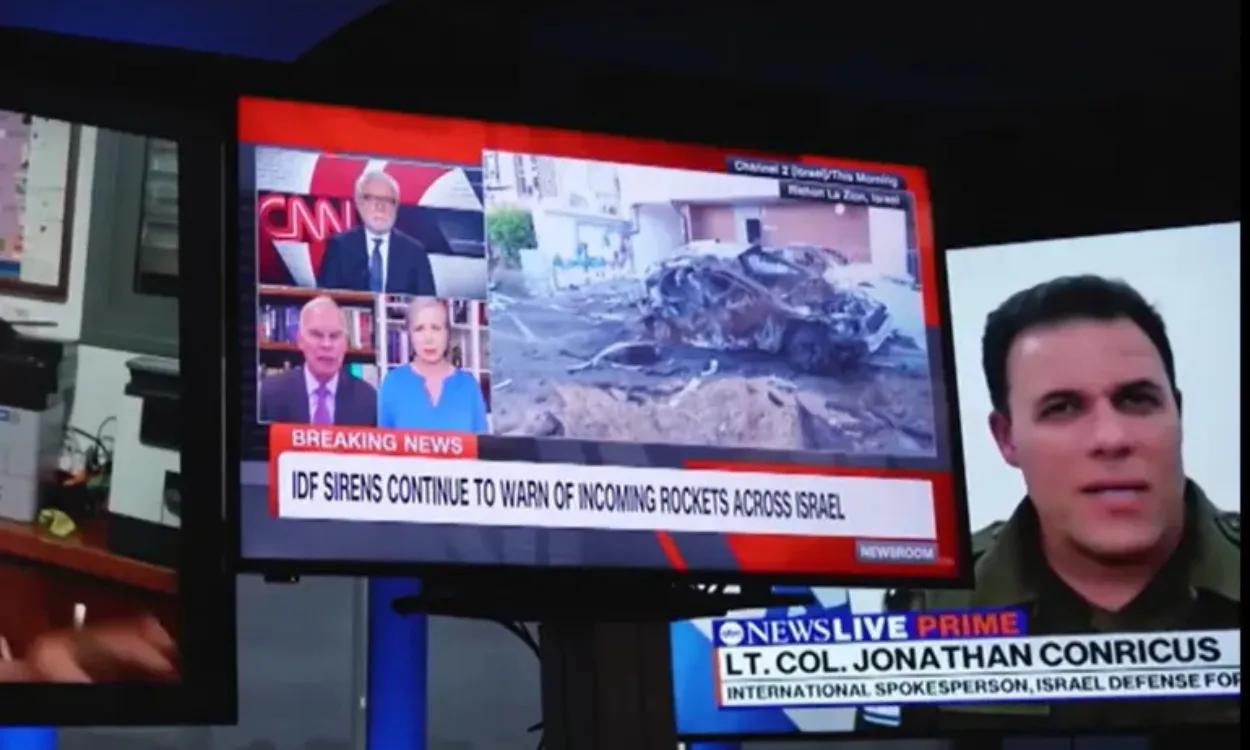
The representation of the Israel-Palestine conflict in international media has long been a subject of intense debate, characterized by various biases and narrative choices that significantly impact public perception. Here are key aspects to consider:
Bias and Framing:
Media outlets often exhibit biases based on their geographic, political, or ideological contexts. Western media, for example, may frame the conflict through a lens of “terrorism” and “security,” often emphasizing Israeli suffering while downplaying Palestinian casualties. Conversely, media from Arab or leftist perspectives might portray the conflict primarily as an issue of colonialism and human rights abuses against Palestinians. This selective framing can create polarized narratives that shape audience understanding and emotional responses.
Narratives of Victimhood:
The narratives surrounding victimhood play a crucial role in shaping perceptions. Israeli narratives frequently highlight security threats, including rocket attacks and terrorism, fostering a sense of existential crisis. In contrast, Palestinian narratives emphasize suffering under occupation, displacement, and lack of basic human rights. These competing narratives can lead to a lack of empathy for the opposing side and contribute to an “us versus them” mentality among the audience.
Impact of Visuals and Language:
The imagery and language used in reporting can significantly influence public perception. Graphic images of violence, suffering, and destruction can evoke emotional responses and garner sympathy for one side over the other. Language choices, such as referring to “militants” versus “freedom fighters,” further color the interpretation of events and can lead to a skewed understanding of the conflict’s complexities.
Effects on Policy and Public Opinion:
Media representation can have real-world consequences, influencing public opinion and, subsequently, governmental policy. Biased reporting may lead to misinformed public attitudes toward the conflict, potentially resulting in increased support for one side’s policies over the other. In societies with strong pro-Israel or pro-Palestinian sentiments, media narratives can reinforce existing biases and hinder constructive dialogue.
Role of Social Media:
The rise of social media has transformed the landscape of conflict reporting. Platforms allow for diverse voices and perspectives, enabling grassroots narratives that challenge traditional media portrayals. However, social media also facilitates the spread of misinformation and polarization, as users tend to engage with content that confirms their pre-existing beliefs, further entrenching divisions.
In conclusion, the representation of the Israel-Palestine conflict in international media is marked by biases and selective narratives that shape public perception in significant ways. The impact of these representations extends beyond media consumption, influencing public opinion, policy decisions, and the broader discourse surrounding the conflict. A more balanced approach in reporting is crucial for fostering understanding and empathy among audiences, ultimately contributing to a more informed dialogue about the complexities of the Israel-Palestine situation.