
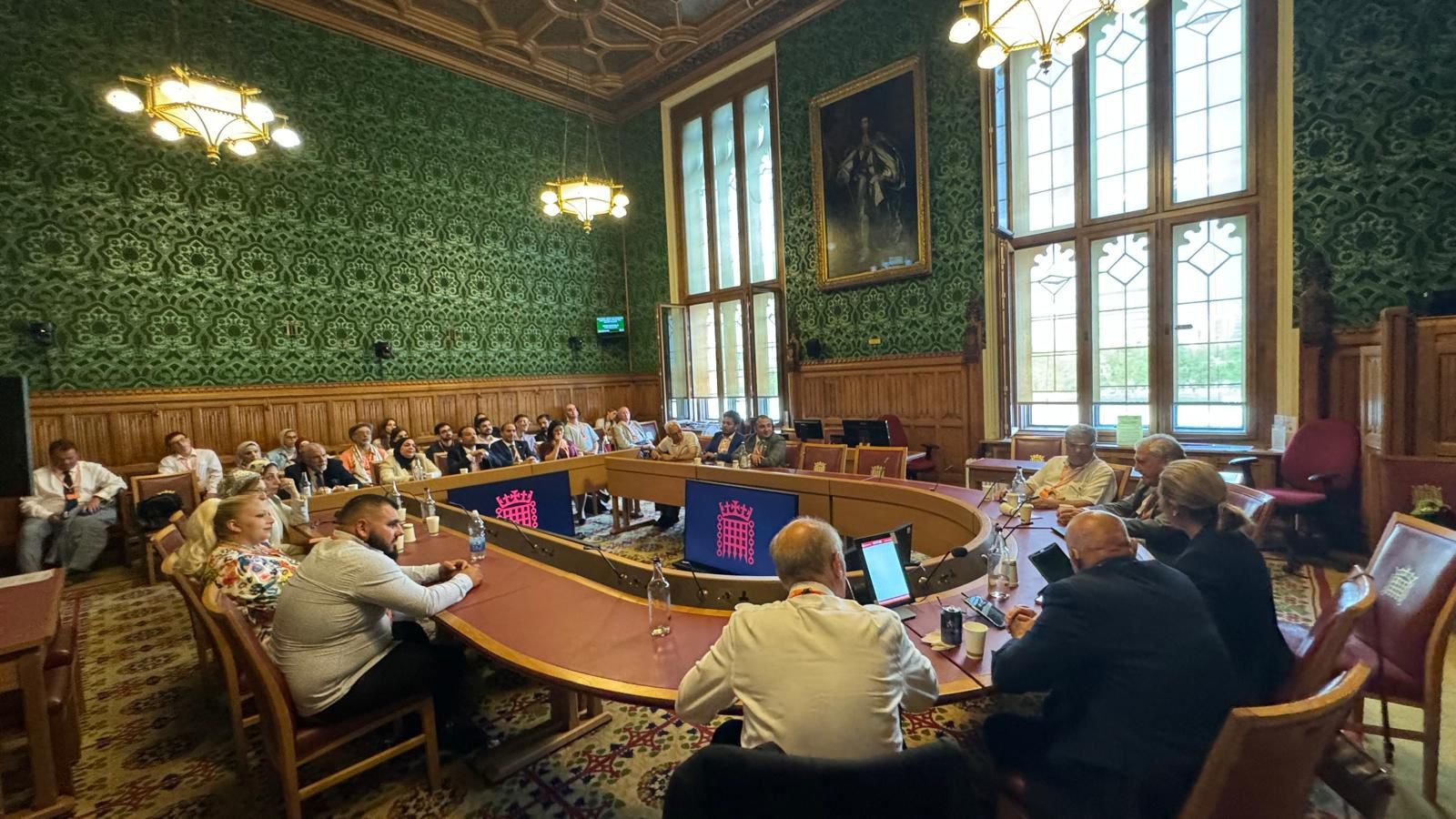
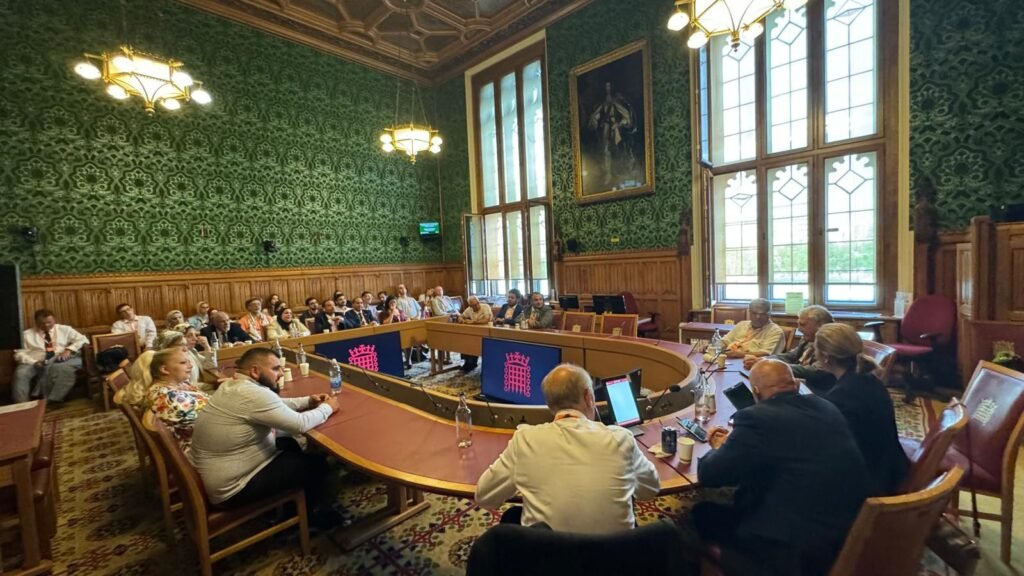
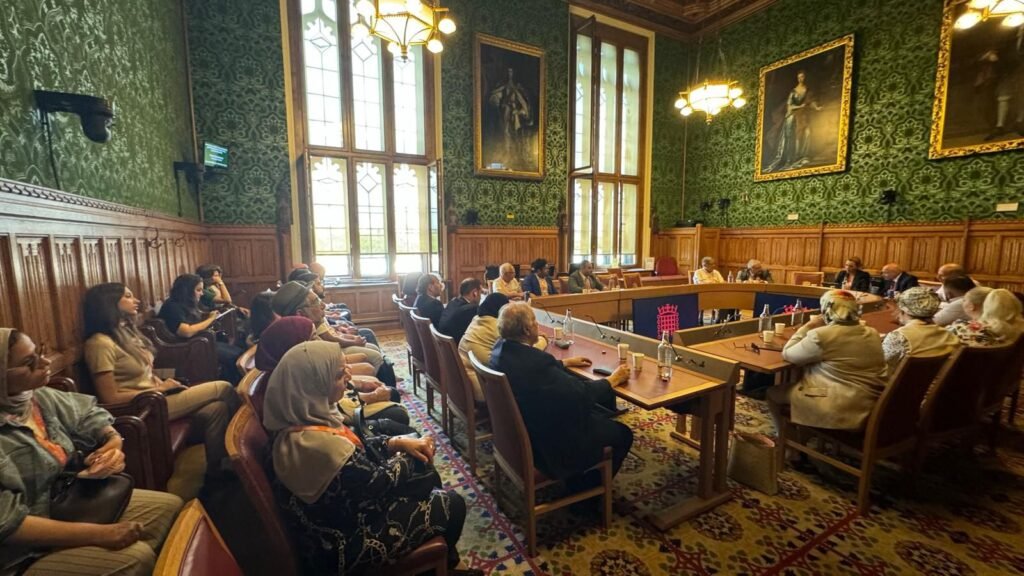
London, July 1st, 2025 – A distinguished gathering of politicians, legal experts, journalists, and community leaders convened at the House of Lords for a landmark policy forum titled “British-Arab Relations – Past, Present & Future”. The event, hosted by The Rt Honourable Lord Jackson, was organised by The Orient House, a UK-based policy think tank, and took place in Committee Room 3.
The event aimed to revisit the complex history of British-Arab relations, address present-day diplomatic and social dynamics, and lay the groundwork for future collaboration between the United Kingdom and Arab states.
Key Contributions from Speakers
1. Sam Ammar (Liberal Democrat Politician & Former Chairman of Bromsgrove Council)
Sam Ammar opened the session with a strong emphasis on the need for inclusivity and political representation for Arab communities in Britain. She spoke about her personal experience in UK politics as a British Palestinian woman and urged the political establishment to move beyond tokenism and toward genuine power-sharing with minority communities. Ammar also called for deeper cooperation between UK councils and Arab community organisations, particularly in education and public services, to improve social cohesion. Sam Ammar also addressed trade, boycotts, and the involvement of Arab communities in political life.
She spoke about her experience as a “Palestinian”.
2. Sabah Al Mukhtar (Head of the Arab Lawyers Association)
Veteran solictor and legal expert Sabah Al Mukhtar delivered a powerful historical analysis of British foreign policy in the Arab world, particularly in Palestine, Iraq, and the Gulf region. He addressed the legal implications of colonial-era agreements, the Balfour Declaration, and the legacy of interventionist policies. Mukhtar emphasised the importance of transitional justice and historical accountability, calling on both Arab and British institutions to foster a new dialogue rooted in truth, dignity, and international law.
3. Yousef Qandeel (Activist and Community Leader)
Yousef Qandeel brought the grassroots perspective, highlighting the daily struggles of Arab communities in the UK, from housing discrimination to institutional racism. He urged government institutions to engage more meaningfully with Arab civic leaders and called for the establishment of a formal British-Arab Community Council. Qandeel also spoke passionately about the need to support Arab youth, particularly in deprived areas, through mentorship, scholarships, and cultural initiatives to build pride and identity.
4. Moustafa Rajab (Head of the Egyptian Community in the UK)
Moustafa Rajab shared insights from his decades-long experience as a community organiser and spoke about the historical ties between Egypt and Britain, from educational exchange to diplomatic cooperation. He commended the resilience of Arab immigrants who have contributed significantly to the British economy and culture. Rajab proposed launching a British-Arab Heritage Year, with joint cultural festivals and educational programming across schools to celebrate Arab contributions to British society.
5. Amro Moheb (Legal Advisor & Director of Egyptian Youth UK)
Amro Moheb delivered a forward-looking speech centred on the role of Arab youth in shaping future UK-Arab relations. As a legal advisor and youth leader, he stressed the need for institutional pathways to leadership and policy participation. Moheb announced the launch of a new Arab Youth Policy Fellowship programme through Egyptian Youth UK, aiming to equip young leaders with diplomatic and legislative skills. He also underscored the importance of legal awareness among Arab migrants, especially on immigration, employment rights, and civic duties.
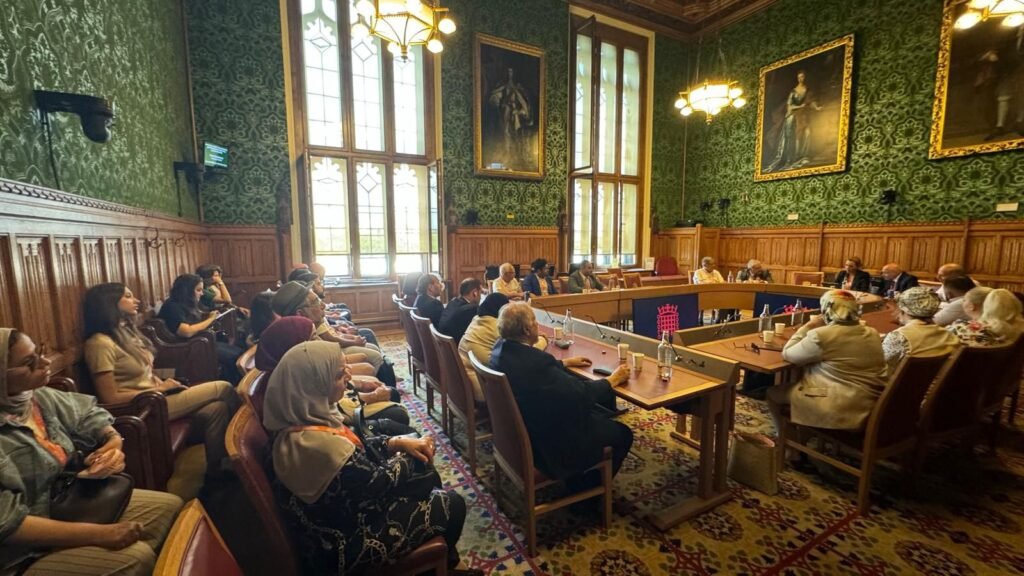
The event concluded with a vibrant Q&A session, where attendees discussed issues ranging from UK foreign policy in the Middle East to Arab representation in British education and media sectors. There was a shared consensus on the need to rebuild trust, acknowledge shared histories, and develop future policies based on equity, dialogue, and cooperation.
Organisers at The Orient House expressed their intention to make this an annual dialogue series and invited interested institutions and individuals to participate in future initiatives.
Sam Habeeb Journalist & Director of Orient House commented on the event stressed on the need of stronger role of civil society and independent media in reshaping the narrative around British-Arab relations. He pointed out the negative portrayal of Arabs in mainstream British media, and how this fuels misconceptions and prejudice.
Habeeb suggested that Orient House is to launch community-driven research, cultural forums, and policy publications that amplify Arab voices in the UK. He also emphasised the importance of empowering Arab youth and diaspora communities through media literacy and public engagement.
For more information, or to participate in upcoming events, please visit www.orienthouse.org.uk or contact info@orienthouse.org.uk.