
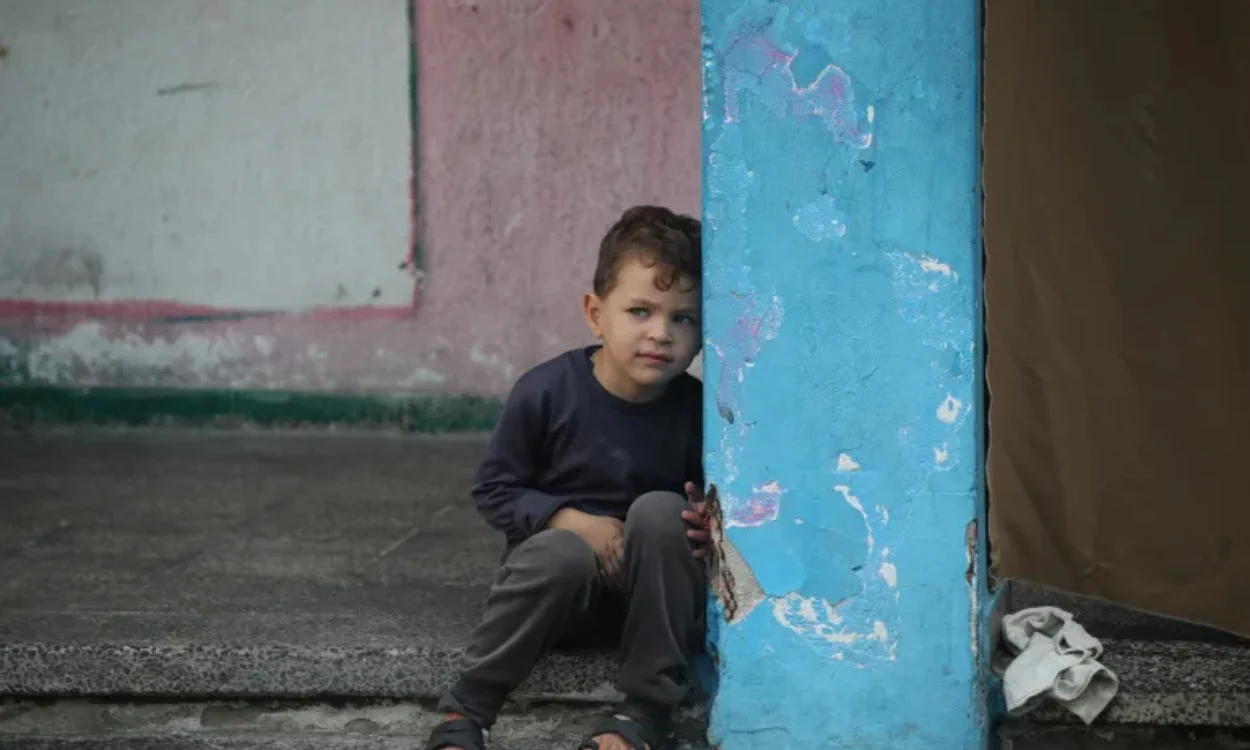
The ongoing Israel-Hamas war has had profound psychological effects on civilians in Gaza, significantly impacting their mental health and overall well-being. Continuous exposure to violence, loss, and displacement has led to widespread trauma among the population. Many individuals experience symptoms of post-traumatic stress disorder (PTSD), anxiety, and depression due to the constant threat of bombings, the destruction of homes, and the loss of loved ones.
Children are particularly vulnerable, as they may face disruptions in their education and daily routines, leading to long-term developmental challenges. The environment of fear and instability can hinder their ability to cope and can result in behavioral issues, nightmares, and difficulty concentrating.
Support services in Gaza are limited, with many mental health facilities facing overwhelming demand and scarce resources. Non-governmental organizations and local initiatives attempt to provide psychological support, but they often struggle to meet the needs of the large population affected by the conflict. There is a pressing need for comprehensive mental health programs that can address the trauma experienced by civilians, particularly focusing on community-based interventions and accessible counseling services.
In summary, the psychological effects of the Israel-Hamas war on civilians in Gaza manifest as a significant mental health crisis, exacerbated by inadequate support services. Addressing these challenges requires urgent attention and resources to help individuals heal and rebuild their lives.